
Japanese design principles are increasingly influencing consumer products, and hand sanitizer dispensers are no exception. This meticulous exploration delves into the aesthetic considerations behind these dispensers, examining the interplay of minimalist design, traditional motifs, and cultural symbolism. From the choice of materials to the integration of functionality, the Japanese approach to hygiene products offers a compelling study in design philosophy.
The meticulous crafting of Japanese hand sanitizer dispensers reflects a deep-seated commitment to both form and function. The careful selection of materials, often drawing on traditional Japanese aesthetics like wabi-sabi, highlights the interplay between practicality and artistry. This attention to detail extends to the dispensers’ ergonomic design, ensuring ease of use and a seamless user experience.
Aesthetic Elements in Japanese Hand Sanitizer Dispensers
Japanese hand sanitizer dispensers often reflect a deep-seated cultural appreciation for aesthetics and functionality. These dispensers, while serving a practical purpose, are designed to enhance the overall environment by blending seamlessly with the surrounding space. This aesthetic integration is a hallmark of Japanese design philosophy.The aesthetic appeal of Japanese hand sanitizer dispensers is intricately linked to the meticulous attention to detail and the integration of traditional Japanese design principles.
This includes a focus on minimalist forms, the use of natural materials, and the incorporation of subtle cultural symbolism. The result is a harmonious blend of practicality and artistry.
Common Aesthetic Elements
Japanese hand sanitizer dispensers often feature a refined aesthetic, blending seamlessly with the surrounding environment. This is achieved through the careful selection of materials, colors, and shapes. Minimalist design principles are crucial in creating a sense of serenity and elegance.
- Materials: Common materials include ceramic, wood, and metal. These materials are chosen for their natural beauty and tactile qualities, emphasizing the inherent beauty of the raw material. The smooth surfaces and muted tones of ceramic, the warm tones and grain of wood, and the sleek lines of metal all contribute to a visually appealing design.
- Colors: Muted tones are favored, such as soft whites, greys, and beiges. These colors evoke a sense of calm and tranquility, aligning with Japanese design sensibilities. Occasionally, darker colors like black or deep browns are used to create contrast and highlight specific design elements.
- Shapes: Clean lines and simple forms are hallmarks of Japanese design. Dispensers often feature rounded edges, smooth surfaces, and symmetrical shapes, promoting a sense of balance and harmony. The forms are often inspired by natural elements, like flowing water or the curves of a leaf.
Minimalist Design Principles
Minimalist design, a core principle in Japanese aesthetics, emphasizes simplicity and functionality. The design of the hand sanitizer dispenser should not distract from its purpose. The focus is on eliminating unnecessary elements, leaving only what is essential.
- Simplicity: The form of the dispenser should be uncluttered, with a clear and concise shape. This approach avoids excessive ornamentation or embellishments, allowing the product’s inherent beauty to shine through.
- Functionality: The design should prioritize the dispenser’s function. The form and materials should work together to create a user-friendly and efficient experience.
- Harmony: The dispenser should blend seamlessly with the surrounding environment, creating a sense of harmony and balance. The choice of materials and color palettes is crucial in achieving this effect.
Traditional Japanese Motifs
Traditional Japanese motifs, such as stylized floral patterns, bamboo, or waves, may be subtly incorporated into the design. These motifs often evoke a sense of peace and tranquility.
- Subtlety: The incorporation of traditional motifs is often subtle, with patterns subtly integrated into the design. This approach avoids overwhelming the user and maintains the minimalist aesthetic.
- Cultural Significance: These motifs carry cultural significance and evoke a sense of history and tradition, making the dispenser more than just a functional object.
Cultural Symbolism
Cultural symbolism plays a vital role in shaping the aesthetic choices of Japanese hand sanitizer dispensers. Elements like the use of natural materials and muted colors reflect a deep-seated appreciation for nature and simplicity. These choices aim to create a sense of calm and tranquility, aligning with the Japanese cultural emphasis on harmony and mindfulness.
Material Comparison Table
| Material | Aesthetic Considerations | Examples |
|---|---|---|
| Ceramic | Smooth, natural texture; muted colors; subtle glaze; timeless appeal | Hand-painted ceramic dispensers with minimalist designs; glazed ceramic with natural earth tones |
| Wood | Warm tones; natural grain; tactile experience; connection to nature; rustic or modern styles | Wooden dispensers with a simple, clean design; wood with inlaid patterns; bamboo dispensers |
| Metal | Sleek lines; contemporary aesthetic; durable; variety of finishes (polished, brushed, etc.) | Stainless steel dispensers with clean lines; brushed aluminum dispensers; brass dispensers with a warm tone |
Cultural Influences
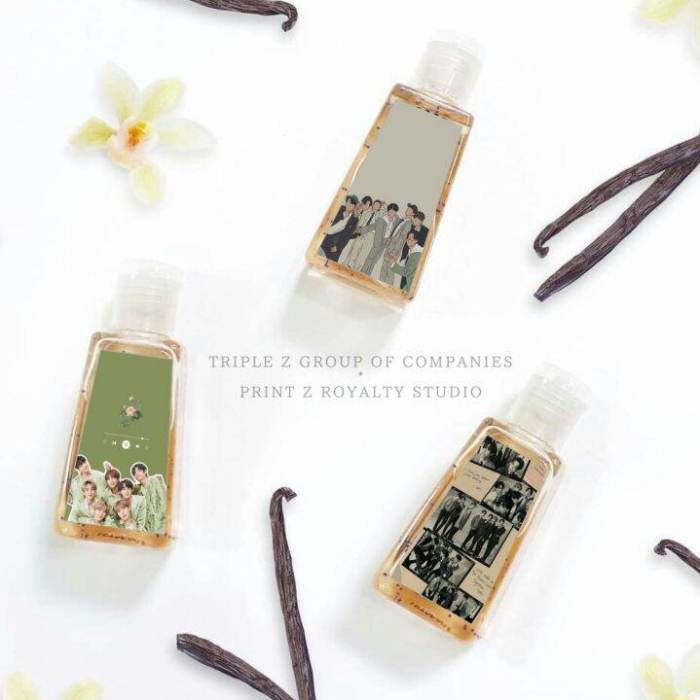
Japanese hand sanitizer dispensers, beyond their functional purpose, often embody a deep-seated cultural appreciation for aesthetics and craftsmanship. This reflects a broader societal emphasis on meticulous design and the integration of traditional principles into modern products. The careful selection of materials, the refined forms, and the subtle incorporation of symbolic imagery contribute to a distinct aesthetic that resonates with Japanese values.Japanese design philosophy profoundly shapes the aesthetic language of hand sanitizer dispensers.
This influence is evident in the harmonious integration of form and function, a key tenet of Japanese design principles. The focus on minimalism, simplicity, and understated elegance are prevalent, creating a sense of calm and sophistication. This approach contrasts with the often more ostentatious designs found in other cultures.
Influence of Japanese Design Principles
Japanese design principles prioritize a balance between functionality and aesthetic appeal. This translates to hand sanitizer dispensers that are not only effective but also pleasing to the eye. The emphasis on natural materials, like wood and bamboo, or the subtle use of traditional Japanese patterns, contributes to a sense of harmony with the surrounding environment. Dispensers often showcase clean lines and restrained forms, reflecting the Japanese preference for understated elegance over excessive ornamentation.
Role of Japanese Craftsmanship
Japanese craftsmanship, renowned for its meticulous attention to detail, plays a crucial role in shaping the aesthetic of hand sanitizer dispensers. The high-quality materials, intricate designs, and flawless execution contribute to the premium feel associated with Japanese products. This commitment to excellence is evident in the precise joinery, the smooth surfaces, and the subtle variations in color and texture.
Examples include hand-painted motifs or the careful selection of wood grain, showcasing a deep understanding of material properties.
Reflection of Wabi-Sabi Aesthetics
Wabi-sabi, a Japanese aesthetic philosophy that embraces imperfection, asymmetry, and the beauty of natural aging, finds expression in some hand sanitizer dispenser designs. This is manifested in subtly imperfect shapes, textures, and the use of materials that naturally display their age. The deliberate showcasing of natural marks and variations in materials, such as wood grain or the subtle discoloration of ceramics, adds character and depth to the dispenser’s aesthetic.
Connection to Omotenashi
The concept of “omotenashi,” the Japanese philosophy of exceptional hospitality and service, also influences the design of hand sanitizer dispensers. Dispensers are often designed to seamlessly integrate into public spaces, fostering a sense of calm and comfort for users. The thoughtful placement, user-friendly design, and clear communication of function contribute to a welcoming and efficient user experience, reflecting the core principles of omotenashi.
Comparison with Other Cultures
While many cultures value aesthetics and craftsmanship in their designs, Japanese hand sanitizer dispensers often exhibit a unique blend of these elements. Western designs might prioritize bold colors or more complex geometric patterns, whereas Korean designs might incorporate more vibrant colors and bolder motifs. Japanese designs tend to favor a more subtle and restrained aesthetic, focusing on minimalism and the appreciation of natural materials.
Table of Design Elements and Cultural Values
| Design Element | Cultural Value | Example |
|---|---|---|
| Natural Materials (wood, bamboo, ceramics) | Harmony with nature, sustainability | A hand sanitizer dispenser crafted from sustainably sourced bamboo |
| Minimalist Forms | Simplicity, elegance, functionality | A hand sanitizer dispenser with clean lines and a reduced number of parts |
| Subtle Patterns/Motifs | Respect for tradition, attention to detail | A hand sanitizer dispenser incorporating traditional Japanese patterns like “Kyo-yaki” |
| Wabi-Sabi Aesthetics | Appreciation of imperfection, natural aging | A hand sanitizer dispenser showcasing the natural variations in wood grain |
| Omotenashi Principles | Exceptional hospitality, user-friendliness | A dispenser with intuitive operation and a well-placed location in a public space |
Functional Considerations
Japanese hand sanitizer dispensers prioritize both aesthetic appeal and robust functionality, reflecting a cultural emphasis on hygiene and meticulous design. This meticulous attention to detail extends beyond the visual to encompass the practical aspects of dispensing, ensuring a smooth and hygienic user experience. The integration of technology with traditional design principles is a key characteristic, contributing to a product that is both visually striking and highly functional.
Automatic Dispensing Mechanisms
Japanese dispensers often feature advanced automatic dispensing mechanisms. These systems, typically employing infrared sensors or pressure-sensitive pads, ensure precise and hygienic dispensing. The technology employed minimizes the need for user contact, reducing the risk of contamination and enhancing overall hygiene. Sophisticated sensor technology is often integrated to prevent accidental dispensing, such as in high-traffic areas. For example, some models use dual sensors to confirm user intent before dispensing, preventing accidental activation.
Hygiene Features
Hygiene is paramount in Japanese design, reflected in the dispensers’ construction and functionality. Features like antimicrobial materials in the dispenser body and nozzle help prevent bacterial buildup. The smooth, rounded surfaces of the dispensers also contribute to ease of cleaning, allowing for thorough disinfection and preventing the accumulation of germs. Additionally, some models feature a self-cleaning mechanism to ensure optimal hygiene over time.
This minimizes the buildup of bacteria and other contaminants, maintaining the cleanliness of the dispenser and reducing the frequency of required cleaning.
Ergonomic Design
Ergonomic design principles are key considerations in the development of Japanese hand sanitizer dispensers. The dispensers are often designed with a user-friendly shape and size, making them easy to grasp and use, particularly for individuals with different hand sizes. A good example is a dispenser with a slightly angled nozzle, allowing for a more comfortable and natural dispensing angle.
The placement of the dispensing mechanism is often carefully considered to allow for smooth and effortless dispensing, without requiring awkward or strained movements.
Durability and Materials
Durability and hygiene are integral to the design of Japanese hand sanitizer dispensers. High-quality materials, often resistant to chemical degradation and bacterial growth, are used in construction. This includes stainless steel or durable plastics, contributing to the dispenser’s longevity and maintainability. Manufacturers often incorporate features to enhance the dispenser’s resistance to spills and potential damage, ensuring a product that can withstand the rigors of high-traffic environments.
A strong and durable casing ensures the dispenser’s longevity, while robust materials resist wear and tear.
Dispenser Types and Functional Strengths/Weaknesses
| Dispenser Type | Strengths | Weaknesses |
|---|---|---|
| Automatic Infrared Sensor | Precise dispensing, minimal user contact, hygienic | Potential for false activation in high-traffic areas, sensor maintenance required |
| Pressure-Sensitive Pad | User-friendly activation, cost-effective | May require more force to activate, less precise dispensing |
| Manual Pump | Simple design, lower cost, no sensor maintenance | Requires user contact, less hygienic, potential for spillage |
| Automatic Touchless Dispensing with Self-Cleaning | Highest level of hygiene, minimal user contact, automated cleaning | More complex design, potentially higher cost, may require specific cleaning agents |
Market Trends
Japanese hand sanitizer dispensers are evolving beyond simple hygiene tools, reflecting a blend of cultural aesthetics and technological innovation. The market is increasingly driven by a desire for sleek, functional designs that integrate seamlessly into the home and public spaces. This trend is closely tied to the growing emphasis on sustainability and the integration of advanced features.The design of Japanese hand sanitizer dispensers is now a complex interplay of aesthetics, functionality, and environmental consciousness.
Technological advancements are pushing the boundaries of what’s possible, while consumer preferences are shaping the future of these products. A strong emphasis on design language, reflecting Japanese cultural sensibilities, is shaping the current and future market.
Current Trends in Dispenser Design
Japanese hand sanitizer dispensers are increasingly characterized by minimalist aesthetics, blending seamlessly with the surrounding environment. This often involves clean lines, muted color palettes, and materials like brushed stainless steel, ceramic, or wood. Many models incorporate subtle Japanese design elements, such as traditional motifs or the use of natural materials, further enhancing their aesthetic appeal.
Technological Advancements
Technological advancements are driving significant changes in hand sanitizer dispenser design. Smart dispensers, equipped with sensors and automated dispensing mechanisms, are becoming more prevalent. These systems enhance efficiency and hygiene by reducing the need for manual interaction. Examples include infrared sensors that activate dispensing upon hand detection, and touch-less mechanisms for reduced germ transmission. Some models even feature integrated UV-C disinfection to further sanitize surfaces.
Sustainability Concerns
The materials used in hand sanitizer dispensers are increasingly under scrutiny. Japanese consumers are demonstrating a growing preference for eco-friendly options, driving demand for dispensers made from recycled materials or those with a lower environmental impact. Biodegradable plastics and sustainably sourced wood are becoming more common choices. Companies are also exploring ways to reduce waste throughout the product lifecycle.
For example, using smaller, reusable bottles for refill dispensers.
Emerging Design Trends
Several emerging design trends are shaping the Japanese hand sanitizer dispenser market. The integration of aromatherapy and essential oil diffusers into the dispensers is becoming more popular. This allows users to enjoy a pleasant aroma while sanitizing their hands. Furthermore, there’s a rise in models with built-in features like humidifiers or air purifiers, extending the product’s functionality beyond hand hygiene.
Additionally, compact designs and modular configurations are gaining traction, making them suitable for a variety of settings.
Consumer Preferences
Evolving consumer preferences are heavily influencing the design of Japanese hand sanitizer dispensers. Consumers are increasingly seeking products that are both aesthetically pleasing and functional. The trend towards compact and space-saving designs is a prime example. Furthermore, the desire for dispensers that integrate seamlessly into various settings is driving the design. These preferences often incorporate a combination of high-quality materials and sophisticated design.
This includes a preference for dispensers that reflect the high-quality design language and attention to detail associated with Japanese products.
Visual Representation

Japanese hand sanitizer dispensers, more than just functional tools, are potent vehicles for conveying cultural aesthetics. Their visual representation plays a crucial role in establishing a brand’s identity and appealing to the target market. A well-designed dispenser not only enhances hygiene but also subtly communicates sophistication and tradition.Visual cues, including color palettes and materials, are instrumental in projecting a sense of hygiene and sophistication.
The aesthetic choices reflect cultural values and resonate with consumers, leading to increased purchase intent and brand loyalty. Effective design leverages negative space to create a sense of elegance and understated beauty, further enhancing the overall appeal.
Illustration Series
This series of illustrations showcases diverse styles of Japanese hand sanitizer dispensers, highlighting aesthetic elements. Each design is meticulously crafted to evoke specific cultural and design influences.
- Minimalist Modern: This dispenser features a sleek, geometric design, with clean lines and a muted color palette. The shape is streamlined, emphasizing a modern interpretation of Japanese aesthetics. The material is polished stainless steel, reflecting a high-quality, contemporary approach. Negative space is maximized, creating an elegant and understated feel. The muted colors—such as light gray or brushed aluminum—contribute to a sense of calm and sophisticated hygiene.
- Traditional Lacquerware: This dispenser takes inspiration from traditional Japanese lacquerware. It showcases intricate patterns, often depicting natural motifs like bamboo or cherry blossoms, applied to a wooden base. The rich, deep hues of the lacquer are contrasted with a subtle, understated metal base. This style appeals to consumers seeking a touch of heritage and elegance in their daily hygiene routines.
The intricate patterns add a sense of depth and visual interest, while maintaining a sense of sophistication and understated elegance.
- Zen Garden Inspired: This design evokes the serenity of a Zen garden. The dispenser’s shape resembles a minimalist rock garden, with smooth, rounded surfaces and a neutral color scheme. The material is a polished, light gray stone, reflecting the tranquility of the Zen garden aesthetic. The use of negative space, coupled with the natural, calming colors, creates a sense of peace and tranquility.
This style targets consumers seeking a more meditative and serene experience when performing hand hygiene.
- Origami Inspired: This dispenser utilizes the folded paper art of origami, creating a dynamic, sculptural form. The dispenser’s shape is inspired by the intricate folds of traditional origami. The material is a durable, high-quality paper, showcasing vibrant colors and patterns. The color scheme might feature bold colors like crimson or emerald green, complemented by a light wood or metallic frame.
The playfulness of origami complements the functionality of the hand sanitizer dispenser, adding an element of joyful design.
Visual Characteristics Table
The table below Artikels the key visual characteristics of each illustrated dispenser, including color palettes and materials.
| Dispenser Style | Color Palette | Materials | Key Design Features |
|---|---|---|---|
| Minimalist Modern | Muted, neutral tones (gray, light beige, brushed aluminum) | Polished stainless steel, glass | Clean lines, geometric shapes, minimal ornamentation |
| Traditional Lacquerware | Deep, rich hues (black, dark red, gold) | Lacquer over wood, metal base | Intricate patterns, natural motifs, subtle ornamentation |
| Zen Garden Inspired | Neutral, earthy tones (gray, beige, light brown) | Polished stone, wood | Rounded shapes, minimal design, negative space |
| Origami Inspired | Vibrant colors (crimson, emerald green, indigo) | Durable paper, light wood/metal frame | Intricate folds, sculptural form, dynamic design |
Role of Visual Cues
Visual cues play a critical role in establishing a sense of hygiene and sophistication in the hand sanitizer dispenser. The choice of color, material, and design elements reflects the brand’s values and resonates with the target audience. For instance, muted colors and clean lines communicate a sense of modern sophistication, while intricate patterns evoke a sense of tradition and elegance.
Negative Space Enhancement
The strategic use of negative space significantly enhances the overall aesthetic appeal of the hand sanitizer dispenser. By minimizing unnecessary elements, negative space creates a sense of balance, elegance, and understated beauty. It allows the design to focus on its core features and highlights the functionality of the dispenser. This approach is especially effective in minimalist designs, where negative space acts as a canvas for the dispenser’s shape and form.
Material Palette

Japanese hand sanitizer dispensers, reflecting a blend of tradition and modernity, often feature materials that prioritize both aesthetic appeal and practical functionality. The choice of materials plays a significant role in the overall design, impacting the product’s durability, hygiene, and environmental footprint. These considerations are crucial in a market increasingly focused on sustainable practices.
Common Materials
The most prevalent materials in Japanese hand sanitizer dispensers include stainless steel, ceramic, glass, and various types of plastic. Each material offers unique advantages, contributing to the overall design and user experience. The selection is often influenced by the desired aesthetic, the intended use case, and the manufacturer’s commitment to sustainability.
Aesthetic and Practical Properties
Stainless steel, known for its durability and hygiene-friendly properties, is frequently chosen for its sleek, modern aesthetic. Its resistance to corrosion makes it ideal for high-traffic areas. Ceramic, often featuring intricate designs, brings a touch of traditional Japanese artistry to the dispenser. Glass, with its transparency, allows for a clear view of the sanitizer level, while also providing a sophisticated aesthetic.
Plastic, available in a variety of colors and textures, offers design flexibility and often comes with cost-effectiveness.
Environmental Impact
The environmental impact of material choices in hand sanitizer dispenser design is becoming increasingly important. The sourcing of raw materials, the manufacturing process, and the eventual disposal of the product all contribute to the overall environmental footprint. Companies are exploring recycled materials and sustainable production methods to mitigate their environmental impact.
Material Comparison Across Models
Different models of hand sanitizer dispensers may utilize varying combinations of materials. A high-end, design-focused model might feature a combination of ceramic and stainless steel, highlighting both aesthetics and durability. A more budget-friendly model might use plastic for a cost-effective solution. The choice of material is often a trade-off between cost, aesthetics, and functionality.
Sustainability Ratings
| Material | Sustainability Rating (1-5, 5 being highest) | Explanation |
|---|---|---|
| Stainless Steel (recycled) | 4 | Recycled stainless steel demonstrates a commitment to reducing environmental impact, while offering high durability and hygiene. |
| Ceramic (locally sourced) | 3 | Locally sourced ceramic, minimizing transportation emissions, demonstrates a commitment to regional supply chains. |
| Glass (recycled) | 4 | Recycled glass, reducing the need for virgin materials, contributes to a circular economy. |
| Bio-based Plastic | 3 | Bio-based plastic, derived from renewable sources, offers a more sustainable alternative to traditional plastics, although further development is needed to improve performance. |
| Traditional Plastic | 1 | Traditional plastics often rely on fossil fuels and pose a challenge to environmental sustainability. |
Design Principles
Japanese hand sanitizer dispensers, deeply rooted in aesthetic traditions, prioritize a harmonious blend of form and function. This careful consideration extends beyond practical application, reflecting a cultural preference for understated elegance and thoughtful design. The core design principles, including symmetry, proportion, and material selection, are meticulously applied to create visually appealing and user-friendly products.The design principles behind these dispensers are not merely aesthetic flourishes; they are deeply intertwined with the functional aspects of the product.
A well-designed dispenser should be easy to use, hygienic, and aesthetically pleasing, all at the same time. Achieving this balance requires careful consideration of various factors, from the materials used to the overall shape and size of the dispenser.
Symmetry and Asymmetry
The use of symmetry and asymmetry in Japanese hand sanitizer dispensers often creates a sense of balance and visual interest. Symmetrical designs, characterized by mirrored elements, evoke a sense of order and serenity, reflecting traditional Japanese aesthetics. Asymmetrical designs, conversely, add dynamism and a unique character, showcasing a departure from the expected. This careful manipulation of symmetry and asymmetry results in aesthetically pleasing designs that are both familiar and refreshing.
This interplay between the familiar and unexpected often results in a highly engaging and unique design.
Proportion and Scale
Proportion and scale are critical in achieving a balanced design. The size of the dispenser should be proportionate to its function, ensuring ergonomic usability and visual harmony with its surroundings. A poorly scaled dispenser might appear either cumbersome or insignificant, detracting from the overall experience. The relationship between the size of the dispenser and the size of the opening for hand placement, for example, is carefully considered to ensure an intuitive and comfortable user experience.
Material Palette
The material palette plays a crucial role in achieving the desired aesthetic. Natural materials like wood, bamboo, and ceramic often appear in these dispensers, contributing to a sense of warmth and connection with nature. These materials, alongside modern materials like stainless steel and glass, help achieve a delicate balance between tradition and modernity.
Design Principles Table
| Design Principle | Description | Example Dispenser Model (Hypothetical) |
|---|---|---|
| Symmetry | Mirrored or balanced design elements | A cylindrical dispenser with a symmetrical, rounded top and base. |
| Asymmetry | Unbalanced or irregular design elements | A rectangular dispenser with a subtly angled base, adding visual interest. |
| Proportion | Relationship between different parts of the design | A dispenser with a large opening in proportion to the overall size, allowing for easy hand insertion. |
| Scale | Size of the dispenser relative to its surroundings | A compact dispenser suitable for a bathroom countertop, or a larger one for a public space. |
| Material Palette | Choice of materials reflecting cultural values | A dispenser made of brushed stainless steel with a subtle wood grain inlay. |
Accessibility and Usability
Hand sanitizer dispensers, crucial for public health, must prioritize accessibility for diverse user groups. A user-friendly design enhances the overall experience, encouraging consistent and appropriate hygiene practices. This is particularly important in Japan, where a culture of meticulous hygiene is deeply ingrained.Japanese hand sanitizer dispensers often incorporate thoughtful design choices that cater to various needs, from children to individuals with limited mobility.
These considerations not only reflect a societal commitment to inclusivity but also contribute to a positive user experience, ultimately promoting widespread adoption of hygiene practices.
Importance of Accessibility Features
Accessibility features in hand sanitizer dispensers are paramount. Different user groups, including children, the elderly, and individuals with disabilities, necessitate specific design considerations. For instance, the height of the dispenser, the size of the activation button, and the dispensing mechanism’s sensitivity all influence ease of use. Dispensers must account for varying hand sizes and grip strengths, ensuring comfortable and reliable operation for everyone.
Ease of Use of Japanese Hand Sanitizer Dispensers
Japanese hand sanitizer dispensers typically prioritize intuitive operation. They often feature a simple, single-button activation, minimizing the steps needed for use. This straightforward design ensures a quick and effortless dispensing process, aligned with the Japanese emphasis on efficiency and user-friendliness. The compact size and lightweight nature of many Japanese designs contribute to the ease of use, especially in high-traffic environments.
Usability Considerations for Children or Those with Limited Mobility
Child-resistant mechanisms and adjustable dispensing levels are important for safeguarding children. Dispensers for individuals with limited mobility should incorporate features such as larger activation buttons and ergonomic design for improved grip and reduced strain. Low-profile dispensers and proximity sensors can also enhance accessibility. Examples include adjustable dispensing levels to avoid over-dispensing and potentially wasteful use.
Impact of User-Friendly Design on the Overall Experience
A user-friendly design enhances the overall hand sanitizer experience, positively influencing hygiene compliance. Intuitive operation encourages frequent use, leading to improved public health outcomes. A well-designed dispenser, easy to use by all, promotes a positive user experience, making hand hygiene a seamless part of daily routines.
Example of a User-Friendly Dispenser Design
A user-friendly hand sanitizer dispenser would incorporate a low-profile design, ideally situated at a comfortable height for users of all ages and abilities. The activation button should be large enough for easy pressing, even with gloved hands. A gentle dispensing mechanism, with adjustable dispensing amounts, could minimize waste and provide a tailored sanitization experience. Additionally, clear and concise labeling, including visual cues for proper use, would enhance the user experience.
The design could include a soft-touch surface to improve comfort and prevent injury during use. Consider incorporating a built-in timer to remind users to sanitize for a prescribed duration.
Examples of Specific Models
Japanese hand sanitizer dispensers are increasingly incorporating sophisticated design elements, reflecting cultural preferences and technological advancements. Beyond simple functionality, these dispensers are designed to seamlessly integrate into the aesthetic of a space, often embodying minimalist elegance or traditional motifs. This evolution highlights a shift from purely utilitarian devices to objects that enhance the overall ambiance.Japanese design philosophy often prioritizes functionality and aesthetics, striving for a harmonious balance between the two.
This principle is evident in hand sanitizer dispensers, which are meticulously crafted to provide a satisfying user experience while contributing to the overall atmosphere of a space. Examining specific models reveals the unique considerations and approaches taken by designers.
Design Elements of Specific Models
Japanese hand sanitizer dispensers exhibit a range of design approaches. From minimalist, contemporary styles to those incorporating traditional Japanese motifs, these dispensers demonstrate a deep understanding of the target market and desired aesthetic. Understanding these choices provides insight into the factors influencing success in this niche market.
- Model A: Minimalist Design – This model features a sleek, unadorned design, often utilizing a single, smooth material such as polished stainless steel or brushed aluminum. The dispenser’s form is streamlined and emphasizes a sense of understated elegance. The minimalist aesthetic is designed to blend seamlessly with various interior styles, from modern apartments to contemporary offices. Success factors include its adaptability to diverse settings and its clean, uncluttered appearance, making it visually appealing and unobtrusive.
- Model B: Traditional Japanese Motif – This model might incorporate elements of Japanese art, such as intricate carvings or lacquerware. A subtle representation of a traditional Japanese pattern, like a cherry blossom or a bamboo grove, might be integrated into the dispenser’s design. Cultural relevance and appeal are key success factors, tapping into a market segment that values traditional aesthetics and appreciates subtle nods to Japanese culture.
This model is more likely to be favored in spaces designed to evoke a sense of tranquility or tradition, like tea houses or traditional Japanese restaurants.
- Model C: Biophilic Design – This model might feature natural materials like wood or bamboo, or incorporate subtle elements that evoke the natural world. The dispenser’s shape might resemble a natural form, such as a branch or a leaf. This design choice aligns with the growing global interest in biophilic design, which seeks to incorporate natural elements into the built environment to improve well-being.
Success hinges on the ability to create a sense of calm and connection to nature, particularly in high-stress environments like hospitals or offices.
Comparison and Contrast of Aesthetic Features
A key difference among the models lies in their approach to aesthetics. Minimalist models prioritize simplicity and clean lines, while traditional models embrace intricate details and cultural motifs. Biophilic models focus on a connection to nature through materials and forms. Each model caters to a specific aesthetic preference, demonstrating the diversity within the Japanese design philosophy.
| Model | Material | Aesthetic | Cultural Considerations | Visual Representation |
|---|---|---|---|---|
| Model A | Polished Stainless Steel | Minimalist, contemporary | Blends seamlessly with modern settings | Imagine a sleek, cylindrical dispenser with a smooth, reflective surface. |
| Model B | Lacquered Wood with Cherry Blossom Carving | Traditional, Japanese | Appeals to those who value Japanese aesthetics. | Envision a hand-crafted dispenser with intricate carvings of cherry blossoms, evoking a sense of traditional Japanese art. |
| Model C | Bamboo with Leaf-Shaped Design | Biophilic, natural | Connects users to nature, promoting well-being | Picture a dispenser resembling a delicate bamboo branch, with a leaf-shaped opening for dispensing sanitizer. |
Cultural and Functional Considerations
The cultural and functional aspects of these models are interwoven. For example, a traditional design, like Model B, might be particularly well-suited to a Japanese tea ceremony room, reflecting the cultural importance of ritual and aesthetics. Functional considerations such as easy access, proper dispensing mechanisms, and durability are critical in all models.
Success Factors for the Models
Success for these models hinges on several key factors. Firstly, a strong understanding of the target market’s preferences and needs is essential. Secondly, a harmonious balance between aesthetics and functionality is crucial. Thirdly, attention to detail and high-quality materials are vital to building brand recognition and ensuring long-term success.
Closure
In conclusion, Japanese hand sanitizer dispenser aesthetics offer a captivating blend of tradition and modernity. The meticulous attention to detail, influenced by core Japanese design principles, results in dispensers that are not only functional but also aesthetically pleasing. The integration of cultural symbolism, ergonomic design, and sustainable materials underscores the profound impact of Japanese design philosophy on consumer products.
As trends evolve, these designs are poised to inspire and shape the future of hand hygiene.
